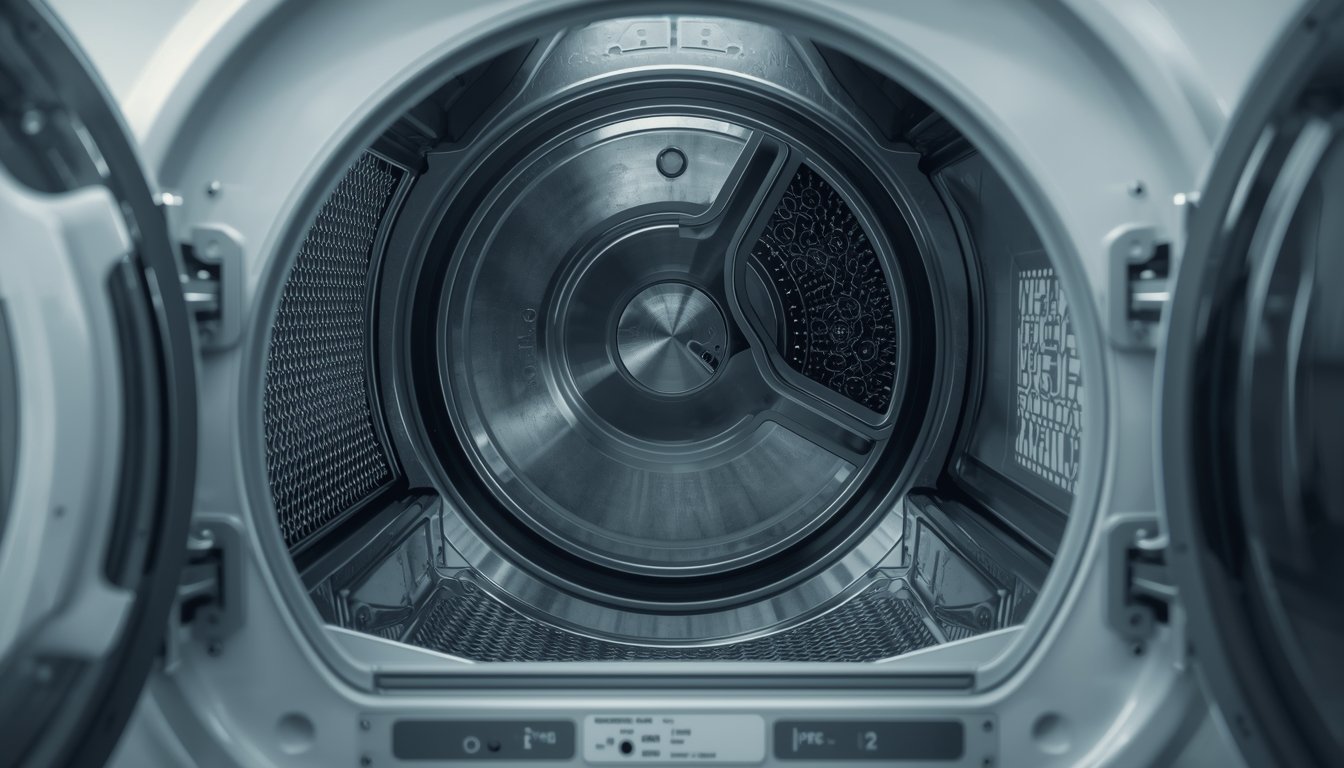
If your dryer is not heating at all, a failed heating element is one of the most common causes. When the element breaks, the dryer can still run and tumble normally but produce no useful heat.
Because the heating element is central to heat production in many electric dryers, even a small failure can create obvious drying problems. That is why these symptoms often appear dramatic even when the cause is limited to one component inside the heater housing.
What This Problem Usually Means
This usually means the heat-producing circuit is no longer completing properly. On many electric dryers, the heating element is the part that creates the heat needed to dry clothes, so when it fails the rest of the machine can still appear to work while drying performance drops to zero.
In practical terms, the dryer is reaching a point where it can still run mechanically, but the heat side of the system is no longer doing its job properly. That is why heating element problems often look serious even when the repair itself is relatively straightforward.
For that reason, the heating element should be treated as a core heat component rather than a minor possibility. If it cannot produce or sustain normal heat, drying performance changes immediately.
Why This Happens
Heating elements fail from age, repeated heating cycles, restricted airflow, or overheating inside the dryer housing. Lint buildup, clogged vents, and high operating temperatures can shorten element life and eventually cause the coil to break.
Restricted airflow is especially important because it raises operating temperature and places more stress on the element over time. Even a new element can fail early if the vent system is clogged and the dryer keeps overheating.
That gradual wear pattern is why some dryers seem to lose performance slowly rather than failing all at once. Heat complaints often build up over time before the element finally stops working completely.
How to Confirm the Issue
A visual inspection may show a broken coil, but the most reliable check is a continuity test with a multimeter after disconnecting power. If the element has no continuity, it has failed and cannot create heat.
It helps to inspect the surrounding housing and vent path at the same time. A correct diagnosis usually comes from combining a continuity test with a visual check and a quick look at airflow conditions.
A few extra minutes spent confirming the element properly can save a lot of guesswork. It is one of the most useful checkpoints in any electric dryer heat diagnosis.
What to Do Next
Before replacing thermostats or timers, it makes sense to rule the heating element in or out first. Start with this complete dryer heating element guide so you can compare the symptoms, test the part properly, and decide whether replacement is the right next step.
That structured approach reduces wasted time and helps you avoid replacing unrelated parts. Once the element is ruled in or out, the rest of the heat diagnosis becomes much simpler.
Working in that order makes the repair process more predictable and keeps you focused on the parts most likely to cause the symptom. Once the heating element is confirmed, the next repair step is usually clear.